January 24, 2026 / 

Wine Tasting Group Size in Willamette Valley: What Changes

When planning a wine tasting day in the Willamette Valley, group size doesn’t just influence where you can go — it changes the type of experience wineries are able to offer.

In Willamette Valley wine country, most wineries are small, reservation-based operations focused on hospitality rather than volume. Their tasting rooms, staffing, and pacing are designed around intimate experiences. Because of this, group size becomes one of the first and most important planning considerations.

For groups of one to six guests, flexibility is high. These tastings are typically conversational, relaxed, and easier to schedule. Visitors often have more reservation options and enjoy a more personalized experience. This is the style of tasting most people imagine when they think of wine country.

Once a group reaches six to ten guests, reservations are required and availability becomes more limited. Wineries may only host groups of this size at certain times of day and often cap how many they accept daily. The experience remains a tasting, but it is more structured and requires advance planning.

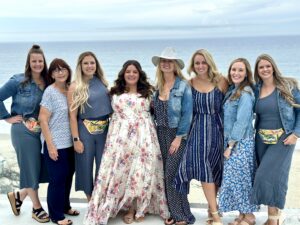
At ten or more guests, the experience usually shifts from a standard tasting to an event. These bookings are often coordinated through a tasting room manager, event planner, or winery owner and come with different terms. Increased tasting fees, mandatory gratuity, room or event space fees, and a single pre-selected flight for the entire group are common.

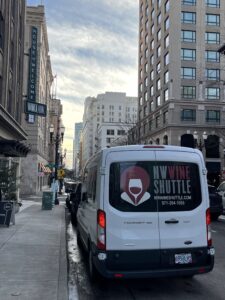
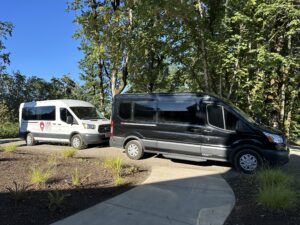
While transportation may comfortably accommodate a larger group, winery hospitality expectations change significantly once a group reaches this size. Understanding how vehicle size and transportation options in wine country affect planning helps set realistic expectations around cost, structure, and availability.

In Willamette Valley wine country, group size isn’t just a number. It defines the terms of the experience and plays a central role in how smoothly the day unfolds.

More Like This: